


In statin-naïve patients with rheumatoid arthritis (RA), elevated TG level has been linked to increased risk of composite major adverse cardiovascular events (MACE). In a nationwide population-based cohort study, carried out in Korea, researchers investigated the relationship between MACE and baseline total cholesterol (TC), LDL-C, HDL-C and TG in this group of patients. During a […]
Is abnormal ApoB-48 metabolism key to residual CV risk in type 2 diabetes?
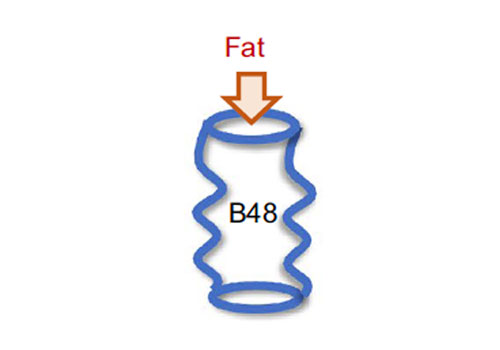
Abnormal metabolism of intestinal lipoproteins containing ApoB-48 may help to explain the residual risk of cardiovascular disease (CVD) in patients with type 2 diabetes (T2D) on statin therapy. This suggestion has emerged from a study which compared the kinetics of ApoB-48- and ApoB-100-containing lipoproteins in 11 overweight/obese individuals with T2D with those in 11 control […]
Remnant cholesterol and TG linked to pancreatic fat
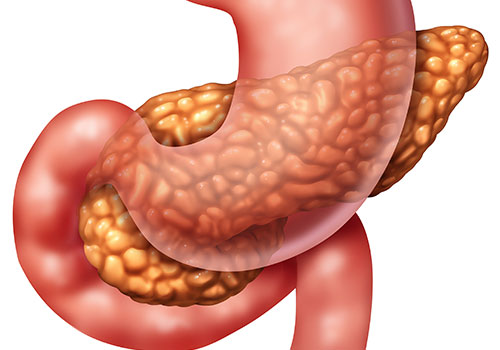
Remnant cholesterol and triglyceride (TG) – but not LDL-C or total cholesterol (TC) – have been linked to intra-pancreatic fat deposition (IPFD) in a general population study of 348 individuals in New Zealand. All participants underwent abdominal MRI and IPFD was quantified. Blood samples were collected in the fasted state for lipid analysis, and linear […]
High TG raises diabetic microvascular complications risk

High triglyceride (TG) levels increase the risk of diabetic microvascular complications, according to results of a retrospective cross-sectional study including 1096 patients with type 2 diabetes (T2DM) and mean TG of 2.22 ±1.52 mmol/L. Multivariate risk assessment showed that patients with T2DM and microvascular complications were at least twice as likely to have elevated TG […]
Sustained TG lowering with volanesorsen in FCS
Recently published data support long-term triglyceride (TG) and pancreatitis reduction with volanesorsen in patients with familial chylomicronaemia syndrome (FCS).
In an open-label extension study of 62 patients who had previously received volanesorsen or placebo in the Phase 3 APPROACH or COMPASS studies, or were treatment-naïve, 46 completed 52 weeks and 21 completed 104 weeks treatment.
Pemafibrate more effective than bezafibrate in hypertriglyceridaemia
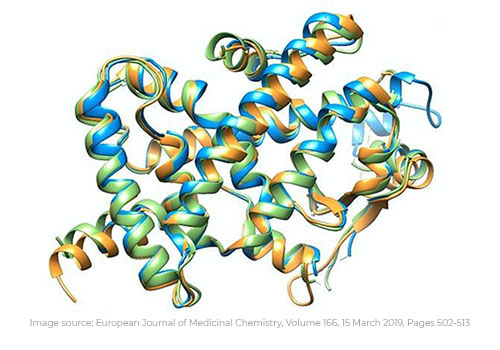
The selective PPAR-α agonist, pemafibrate, is more effective at lowering serum triglyceride than the non-selective PPAR-α agonist, bezafibrate, according to results of a randomised crossover study in 60 patients with hypertriglyceridaemia (fasting triglyceride [TG] ≥150 mg/dL) treated by cardiologists in Japan.