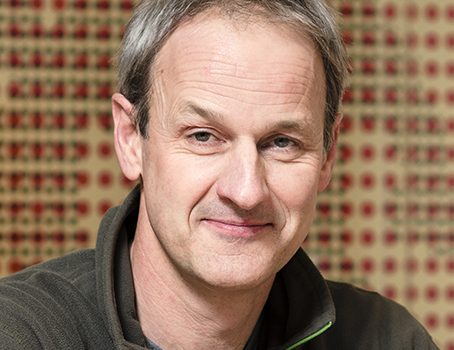


Jan Borén, Institute of Medicine, University of Gothenburg, Sweden
The video presentation, ‘ApoB and atherosclerosis 2026: Answers and Questions‘ by Professor Chris Packard offers a timely and important reframing of apoB biology, moving the field beyond the LDL-centric model to a more integrated view. In this new model, triglyceride-rich lipoproteins (TRLs) and Lp(a) contribute disproportionately to atherosclerotic risk. The presentation’s particular strength lies in its approach of extending the LDL paradigm, which remains foundational, in a clinically useful way. This is achieved by asking whether all apoB-containing particles are equally harmful, and by convincingly arguing that they are not.1-3