


Redemplo (plozasiran) has been approved by the European Commission (EC) for use as an adjunct to diet to reduce TG levels in adult patients diagnosed with familial chylomicronaemia syndrome (FCS) according to clinical criteria or genetic testing.
Plozasiran prevents recurrent pancreatitis in most severe hypertriglyceridaemia
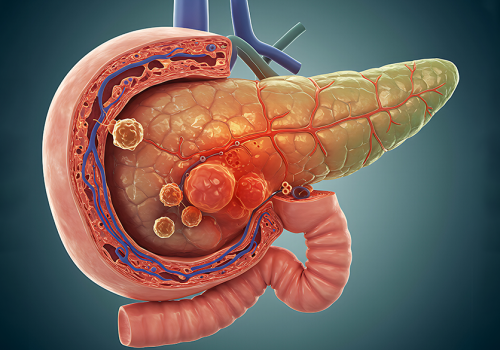
A post hoc analysis of data from the PALISADE trial has shown that plozasiran 25 or 50 mg s.c. quarterly for 12 months reduces recurrent pancreatitis in patients with familial chylomicronaemia syndrome (FCS) with a history of acute pancreatitis (AP) and the most extreme hypertriglyceridaemia.
TRL-C level may indicate fibrate benefit for atherosclerosis risk
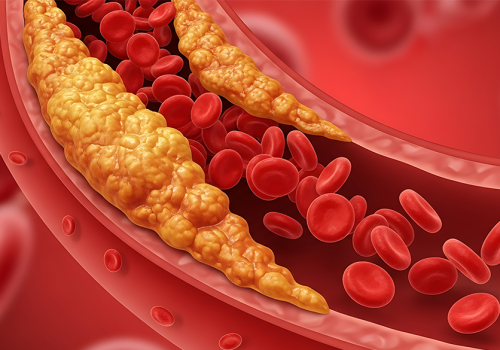
Statin-treated individuals with elevated triglyceride-rich lipoprotein cholesterol (TRL-C) may be more likely to benefit from additional fibrate treatment, according to results of a study of 67,662 statin-treated adults without baseline atherosclerotic cardiovascular disease (ASCVD) from the Korean National Health Insurance Service cohort.
New ACC/AHA guidelines highlight importance of hypertriglyceridaemia management
New dyslipidaemia guidelines drawn up by the American College of Cardiology and the American Heart Association (ACC/AHA) incorporate new and updated recommendations for atherosclerotic cardiovascular disease (ASCVD) risk assessment in patients with elevated TG, and for the management of hypertriglyceridaemia (HTG).
Pemafibrate may improve liver fibrosis in MASLD

Pemafibrate may improve liver fibrosis, lipid metabolism and liver enzyme levels, according to results of a retrospective study of magnetic resonance elastography (MRE) in patients with metabolic dysfunction-associated steatotic liver disease (MASLD) and hypertriglyceridaemia (HTG).1
Novel therapies in hypertriglyceridaemia: Trial results in 2025 and what’s to come in 2026

Novel therapies for hypertriglyceridaemia (HTG) reached some major milestones in 2025 including impressive clinical trial results across the three targets for these emerging treatments – ANGPTL3, ANGPTL4 and apoC3 – and the first regulatory approvals for apoC3 inhibitors in patients with familial chylomicronaemia syndrome (FCS). Just as exciting are expectations for 2026, as studies of apoC3-targeting agents continue down the HTG pyramid of severity and ANGPTL3 and ANGPTL4-targeting agents advance from early into later phase clinical trials.