


Novel therapies for hypertriglyceridaemia (HTG) reached some major milestones in 2025 including impressive clinical trial results across the three targets for these emerging treatments – ANGPTL3, ANGPTL4 and apoC3 – and the first regulatory approvals for apoC3 inhibitors in patients with familial chylomicronaemia syndrome (FCS). Just as exciting are expectations for 2026, as studies of apoC3-targeting agents continue down the HTG pyramid of severity and ANGPTL3 and ANGPTL4-targeting agents advance from early into later phase clinical trials.
SHR-1918 shows promise in homozygous FH

The ANGPTL3-targeting agent, SHR-1918, significantly reduced LDL-C, TG, apoB and other atherogenic lipids in patients with homozygous familial hypercholesterolemia (HoFH) in a single arm, Phase 2 non-randomised study carried out at eight sites in China.
Fish oil supplements reduce serious CV events in patients on haemodialysis

Patients undergoing maintenance haemodialysis who take daily n-3 fatty acid supplements can reduce their rates of serious cardiovascular (CV) events, according to recently published results of the PISCES trial.
2025: A Year of Progress in Triglyceride Research

Over the past year, progress in the field of TG research has continued to gain momentum, with important developments across science, clinical care, and policy reported on Triglyceride Forum. Regulatory Developments US and European regulatory approvals for novel TG lowering agents as an adjunct to diet expanded therapeutic opportunities for patients with familial chylomicronaemia syndrome. […]
Metabolic fatty liver disease: How are triglycerides involved?

Hypertriglyceridaemia (HTG) is an important risk factor for metabolic fatty liver disease – an umbrella term for multiple common chronic liver diseases for which triglyceride-lowering agents are starting to show encouraging benefits. Professor Robert Rosenson (Icahn School of Medicine at Mount Sinai, New York, USA) examines the evidence linking triglycerides to fatty liver disease and current and potential approaches to treatment.
Redemplo (plozasiran) receives US approval for FCS
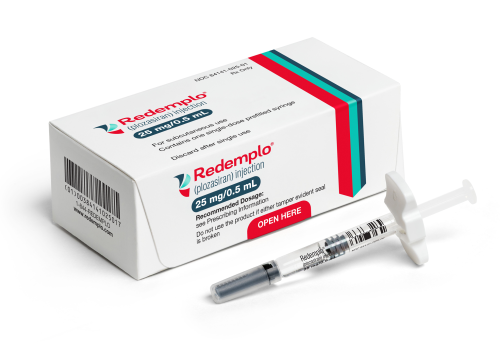
The US Food and Drug Administration (FDA) has approved Redemplo (plozasiran) as an adjunct to diet to reduce triglycerides in adults with familial chylomicronaemia syndrome (FCS). The apoC3 siRNA will be available in the USA before the end of the year.