

Over the past year, progress in the field of TG research has continued to gain momentum, with important developments across science, clinical care, and policy reported on Triglyceride Forum.
Regulatory Developments
US and European regulatory approvals for novel TG lowering agents as an adjunct to diet expanded therapeutic opportunities for patients with familial chylomicronaemia syndrome.
- Redemplo (plozasiran) receives US approval for FCS
- Tryngolza (olezarsen) receives EU approval for FCS treatment
Encouraging Clinical Trial Readouts
Early and later-stage clinical data highlighted meaningful TG reductions in a broader range of patients with elevated TG levels, and there was evidence of significant reductions in acute pancreatitis events.
- CORE studies confirm benefits of olezarsen in sHTG
- ESSENCE-TIMI 73b results confirm efficacy and safety of olezarsen
- PALISADE and ARCHES-2 open label extensions support plozasiran and zodasiran efficacy and safety
- PROLONG-ANG3: Durable TG reductions with solbinsiran
ANGPTL4 Inhibition Enters the Arena
Growing understanding of ANGPTL4 biology, together with early phase clinical trial results, added ANGPTL4 inhibition to the range of potential options for lowering TG levels.
- ANGPTL4: An important regulator of cholesterol and triglyceride metabolism
- ANGPTL4 inhibition: Phase 2a and ongoing trials
- ANGPTL4 antibody reduces TG and remnant cholesterol
Growing Recognition of Triglycerides beyond Cardiovascular Risk
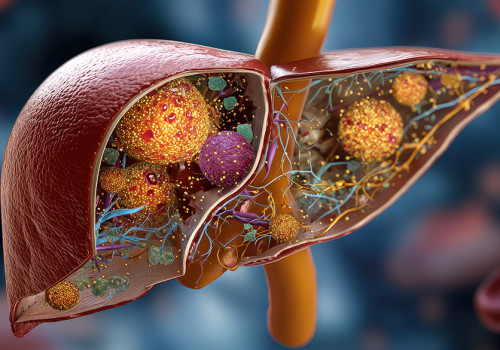
With metabolic fatty liver disease on the increase worldwide, encouraging data from recent clinical trials suggest that lowering TG levels may reduce liver fat in this difficult-to-treat condition.
- Metabolic fatty liver disease: How are triglycerides involved?
- Triple action TG-lowering agent reduces liver fat in severe hypertriglyceridaemia
- Maastricht Study shows increased HTG risk with steatotic liver disease
Dyslipidaemia Guidelines Update
Revised European Society of Cardiology and European Atherosclerosis Society guidance included recommendations on the use of omega-3 polyunsaturated fatty acids and apoC3 inhibition for TG lowering.
As the year comes to a close, it’s clear that TGs are firmly in the spotlight and continued collaboration between researchers, clinicians, patient communities and pharmaceutical partners will be key as the field moves forward.